
September 30, 2026
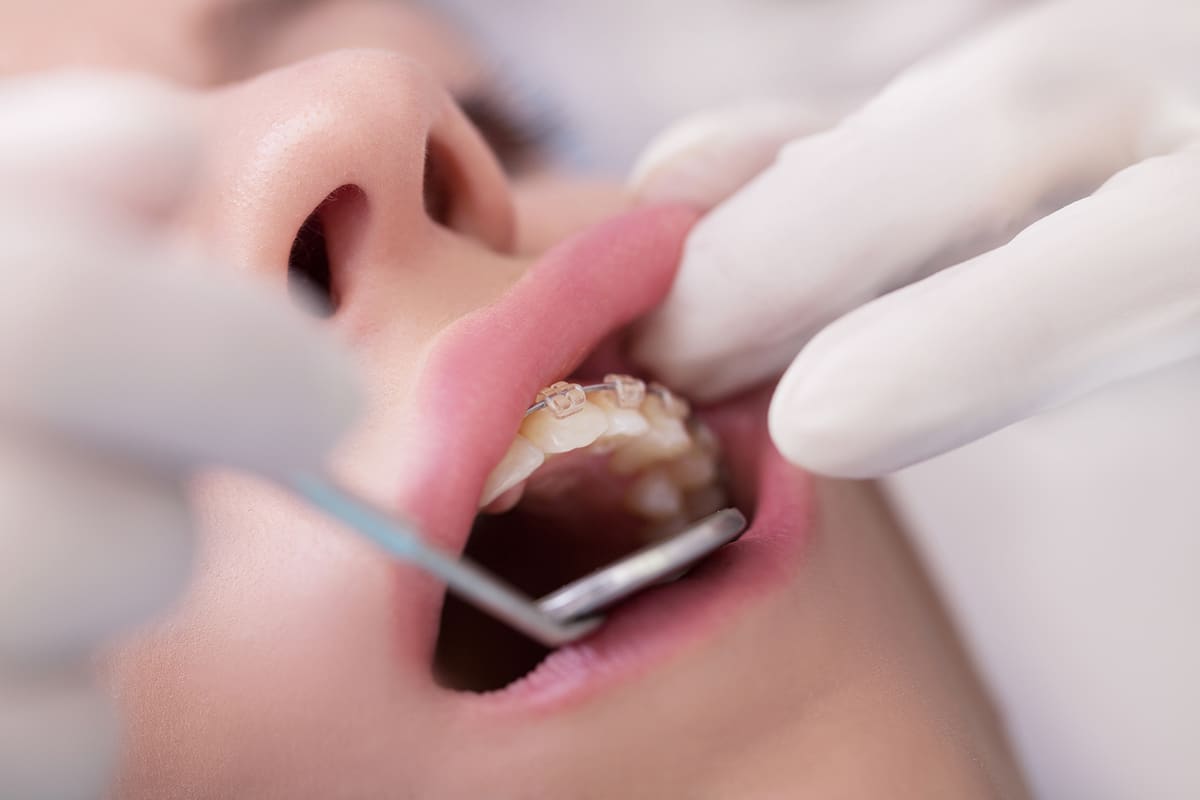
Children grow and change in the blink of an eye. Their smiles do, too. In just a few years, teeth fall out, permanent teeth begin to appear, and the jaws grow and develop to define the facial structure. Because so much is going on during these years, an orthodontic evaluation can be very insightful.
Let’s take a look at what an orthodontist can discover at a child’s first orthodontic evaluation.
How the Teeth Are Coming In
One of the first things we look for is how your child’s permanent teeth are erupting. We look at which baby teeth have been lost, which permanent teeth have appeared, and whether or not they are coming in when and as they should.
Crowding, unusual spacing, delayed eruption, or teeth coming in at an odd angle, for instance, can all provide us with clues about their developing smile.
How Well the Teeth Fit Together
We are not looking for a perfectly straight smile. Rather, we look at the bite. Do the upper and lower teeth come together properly? Is there an overbite, underbite, crossbite, or open bite?
Sometimes misalignments are not clearly visible. Yet, addressing them early can make them easy to correct before they interfere with your child’s speech and chewing. This is why an orthodontic evaluation can still be valuable even when a smile looks fine.
Jaw Growth and Development
Teeth are a priority, but so is the relationship between the upper and lower jaws. During the visit, we will evaluate both and see how they are developing.
As your child grows, many orthodontic concerns may become easier or more difficult to address, depending on their jaw development. Intervention is not only possible, but highly effective and efficient while they are still growing.
The Availability of Space
Space within the mouth is important, especially when it comes to gaining permanent teeth. So, another very important thing we look for during an orthodontic evaluation is whether your child’s mouth has enough room for permanent teeth to erupt properly.
If there is significant crowding or not enough space for incoming teeth, we can determine if monitoring or treatment may be necessary. In some instances, early intervention can help guide development and make future orthodontic treatment more manageable.
What Happens After the Evaluation?
Once we've evaluated your child’s teeth, bite, and jaw development, we will discuss what we found and our recommendations. Not every child will need early interceptive treatment. If they do, we will review your options. For those who don’t, we will suggest monitoring and future visits.
If your child is around age 7 or has never had an orthodontic evaluation, now is the time to schedule the appointment. It’s too important to overlook.
Frequently Asked Questions
Does my child need a dentist referral to see an orthodontist?
No. Parents can schedule an orthodontic evaluation directly if they have concerns about their child’s teeth, bite, or jaw development.
Will my child need X-rays during their first orthodontic visit?
It depends on your child’s individual situation. We may use X-rays or other digital imaging when they can provide useful diagnostic information.
At what age should my child have their first orthodontic evaluation?
We recommend that children have their first orthodontic evaluation by age 7. While they may not need treatment just yet, this gives us a chance to identify any possible concerns early.
What if my child does not need treatment yet?
Many kids do not need early treatment. We may recommend periodic monitoring to track tooth eruption and jaw development.
Does an orthodontic evaluation mean my child will need braces?
No. We do an evaluation to help us understand how your child’s smile is developing. Some may require braces now or later, while others will not need braces at all.
At Advanced Orthodontics, we use your child’s first orthodontic evaluation to look beyond the appearance of their smile and understand how their teeth and jaws are developing. Contact us today to schedule an evaluation in Canton, MI.