September 28, 2026
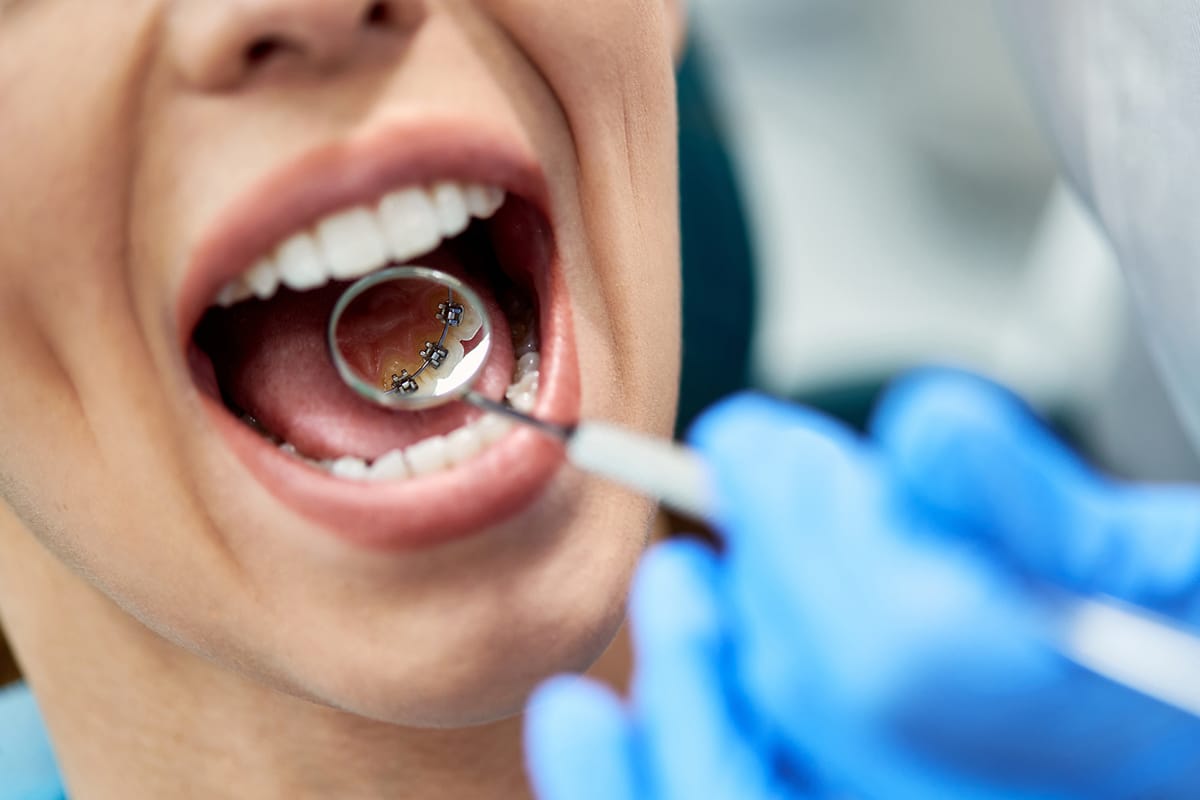
When thinking about braces, most people picture a teenager with a mouth full of brackets and wires. But orthodontic care can actually begin many years before this, with some of the most important work being done before braces.
The best opportunity to address many orthodontic concerns is when the jaws and teeth are still growing and developing. So, will it reduce the need for braces later? Let’s find out.
What is Early Orthodontic Treatment?
Early orthodontic treatment, also referred to as phase 1 or interceptive orthodontics, typically takes place when kids have a mix of baby teeth and permanent teeth. This allows treatment to guide jaw development and address any issues while your child is still growing.
According to the American Association of Orthodontists, children should have their first evaluation no later than age seven. This gives us a chance to identify concerns early and monitor development. Not every child will require treatment at this time. But for those who do, it can reduce the need for more complex care later on. Depending on your child's needs, it may involve a palatal expander, habit-breaking appliance, or even limited braces.
How Can Early Treatment Help Reduce Future Braces?
One of the biggest advantages of early orthodontic treatment is that we can address certain problems before they become more complicated. For instance, if your child has significant crowding, we can create more space for permanent teeth as they erupt. If a bite misalignment is an issue, early treatment can help guide development in a more favorable direction. What’s more, habits that can wreak havoc on your child’s future oral health, such as thumb-sucking, can also be treated.
Will this early attention reduce the need for braces later? Sometimes. In some cases, early treatment eliminates the need for future orthodontic care. More commonly, however, braces will still be part of the plan. But the treatment is often shorter, simpler, and more predictable.
Timing is Important
Every child develops on their own time schedule, which means that there is no single treatment plan for all young patients to follow. Instead, early orthodontic care is about being proactive and reducing the need for more complex treatment during adolescence. In other words, as children are growing and developing, there may be steps that can be taken to make it more efficient to achieve a healthy, functional smile down the road.
There may be no signs telling you that the time is right. But if you have noticed crowding, bite problems, early tooth loss, or any other orthodontic concerns, it is important to reach out, regardless of age. And, of course, if your child is around 7 years of age, now is the time to schedule an evaluation. We are happy to help.
Frequently Asked Questions
Does early orthodontic treatment mean my child will not need braces?
Not necessarily. Some children may not need braces after early treatment, while others will still require them. If they do, the process is usually shorter or less complex.
What age should my child first see an orthodontist?
We recommend an initial orthodontic evaluation by age 7.
What problems can early orthodontic treatment address?
Early treatment may help with significant crowding, misaligned bites, jaw growth concerns, and oral habits like thumb-sucking.
Will my child need braces during early orthodontic treatment?
Not always. There are many different treatment options available that may be used instead of braces. It all depends on what will work best for your child.
What happens if my child does not need treatment at age 7?
That is very normal. Many kids do not require any treatment early on. Simply monitoring growth and tooth eruption can prove beneficial.
At Advanced Orthodontics, we believe early evaluation is an important part of helping children develop healthy, confident smiles. Contact our Canton, MI team today to schedule an evaluation.