
April 17, 2026
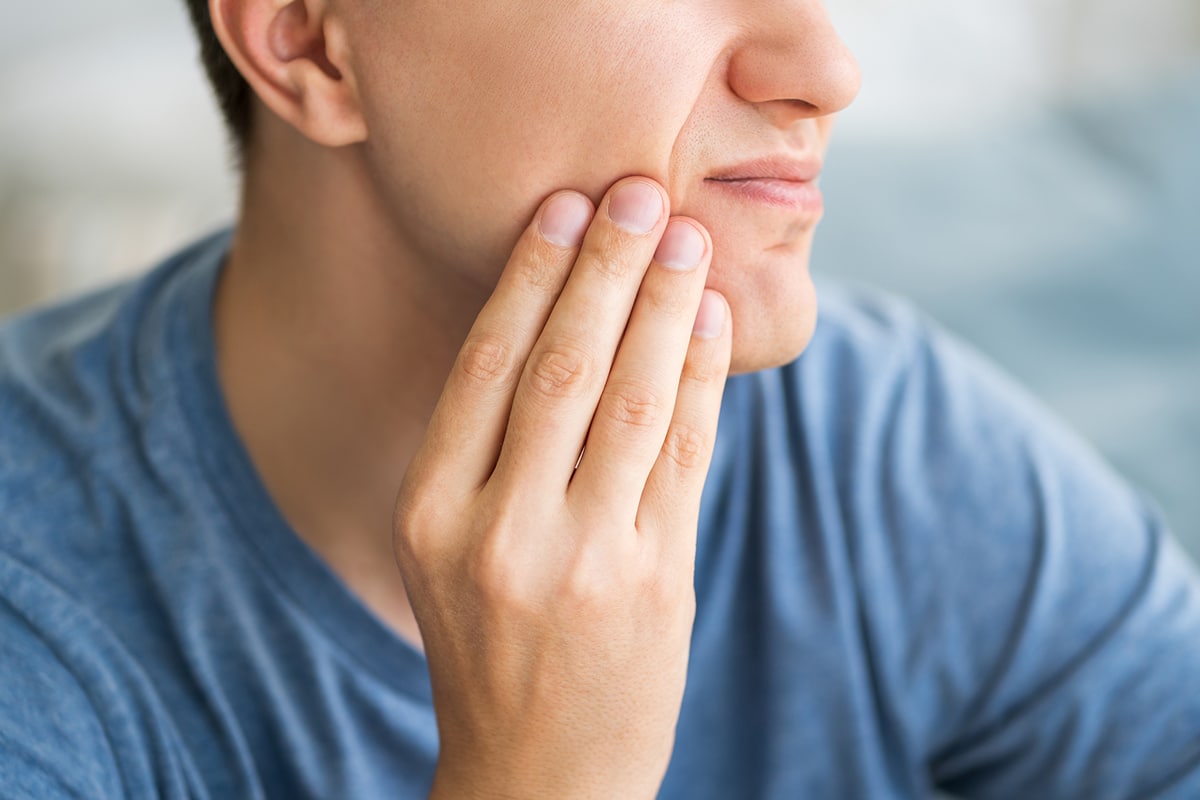
Dealing with jaw pain, headaches, or that frustrating clicking sound every time you open your mouth? These symptoms are often linked with TMJ disorder, a common condition that leads many patients to search for lasting relief.
Can orthodontic treatment, such as braces, reduce TMJ pain? Perhaps, but the answer is not so cut and dry. Let’s take a look at how, in the right situations, orthodontic treatment can provide some relief.
Understanding TMJ and Jaw Pain
The temporomandibular joint (TMJ) connects the lower jaw to the skull, making it possible for you to speak, chew, talk, or otherwise move your mouth comfortably. When something disrupts how well it functions, it can lead to TMJ disorder. You may recognize these common signs:
- Clicking or popping sounds
- Jaw pain or soreness
- Headaches or earaches
- Difficulty chewing
- Limited jaw movement or locking
These symptoms can show up for a variety of reasons. For many, stress or teeth grinding can be the culprit. For others, it could be the result of an injury or a bite misalignment.
Can Braces Help with TMJ Symptoms?
Braces are not always going to solve your TMJ disorder, especially since they aren’t going to reduce your daily stress or prevent an injury. However, if your pain stems from the alignment of the teeth and jaws, orthodontic treatment may be just what you need. Braces will slowly reposition teeth and improve bite balance. The result? Less strain on the jaw.
Here are a few ways braces may help.
Correcting Bite Problems
When your bite is off, it can place uneven pressure on the TMJ. This includes overbites, underbites, crossbites, or open bites. Braces can help to align the teeth so that your bite functions more evenly while reducing stress on the joint.
Improving Jaw Alignment
In some cases, the upper and lower jaws do not fit together properly. With the help of braces, the jaw can be guided into a more natural position. This not only provides comfort but also improves function.
Reducing Bruxism
Bruxism involves grinding the teeth and clenching the jaw. This puts extra pressure on the TMJ. Often, as the alignment is improved with the help of orthodontic care, the bruxism habit can begin to dissipate so that the joint can be protected.
Promoting Long-Term Joint Health
The TMJ is susceptible to wear and tear over time. And the same goes for the muscles that surround it. By correcting any issues with orthodontic treatment and braces, you are essentially protecting the longevity of the joint and muscles.
Are Braces Always the Solution for TMJ Disorder?
Braces can help in certain cases, but they are not always the solution to symptoms of TMJ disorder. There are many reasons that a patient may be suffering from these symptoms, and sometimes trying to understand them can be complex and challenging.
Tooth alignment is one thing, but arthritis, joint inflammation, injury, stress, and muscle tension can also lead to pain, and braces are not going to alleviate it. Thankfully, other solutions may be recommended.
Your orthodontist will perform a thorough evaluation to assess how your teeth, jaw, and muscles work together before suggesting treatment. If your TMJ symptoms are related to misalignment, braces may be a powerful step toward lasting relief.
Frequently Asked Questions
Can braces completely cure TMJ disorder?
Not always. While braces can improve symptoms caused by bite issues, many patients benefit from a combination of treatments rather than just orthodontics alone.
How do I know if my TMJ pain is caused by my bite?
The best way to know is through a professional evaluation. Only then can we tell whether orthodontic treatment could help relieve your discomfort.
At Advanced Orthodontics, we believe in treating more than just your smile. We focus on total oral function and comfort. If you are experiencing jaw pain or TMJ symptoms, contact us today to schedule a consultation. Let’s find out if orthodontic treatment is right for you.