
May 31, 2026
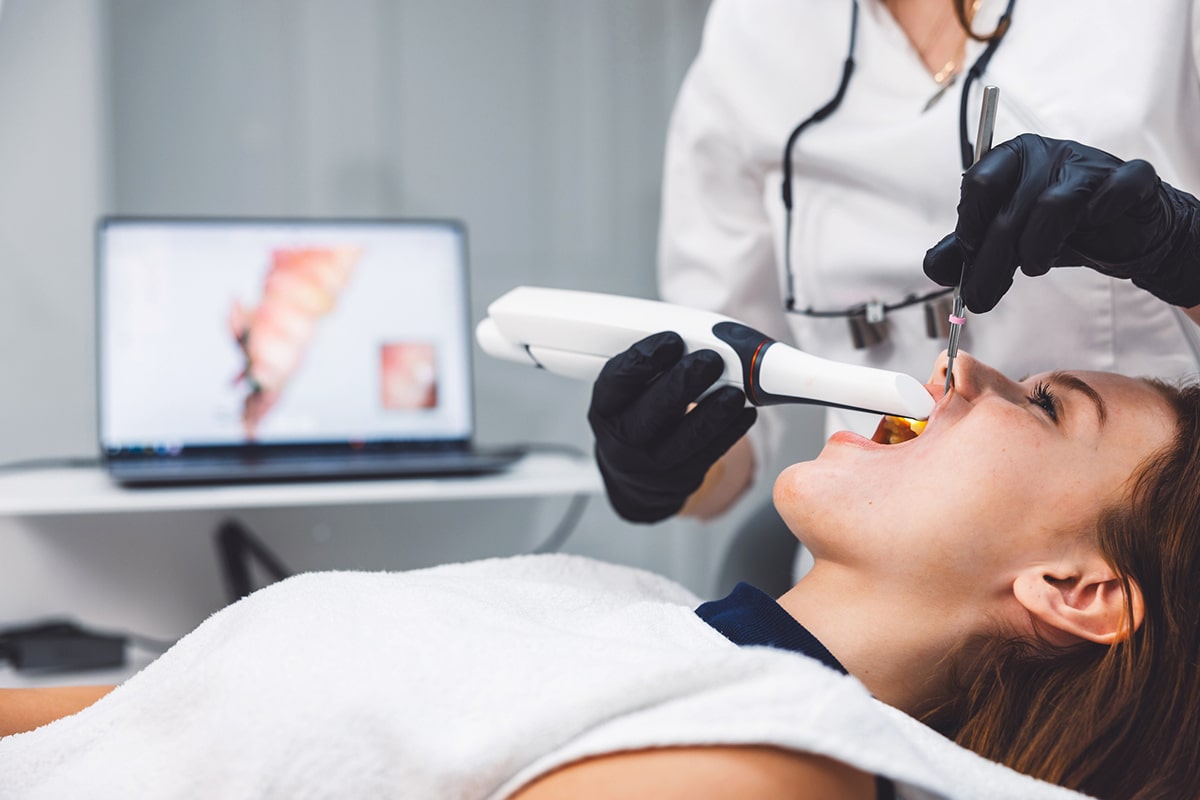
Some orthodontic concerns involve more than just straightening a smile using braces or clear aligners. Sometimes the jaw itself needs to be aligned. And this is when surgical orthodontics becomes the best solution for achieving long-term function, comfort, and aesthetics.
Have you been told you need jaw surgery as part of your orthodontic treatment? Here’s what you need to know before the procedure.
What is Surgical Orthodontics?
Surgical orthodontics, also called orthognathic surgery, combines orthodontic treatment with corrective jaw surgery. It is something that is generally recommended for adults whose jaws have finished growing and who have severe bite or skeletal alignment problems that cannot be corrected solely with traditional treatment.
The goal of surgical orthodontics is to improve the appearance of your smile and facial balance, as well as restore proper function and oral health.
So, what type of concerns may require surgery? It is not uncommon to see it used with severe bite misalignment, facial asymmetry, difficulty chewing or speaking, jaw pain or TMJ discomfort, and sleep apnea due to jaw positioning.
With the help of our advanced diagnostic tools, we are able to determine whether orthodontics alone can achieve the desired results or if surgery will be necessary. The latter is only used when it offers the best path forward.
What Happens Before The Procedure?
Most patients will start their orthodontic treatment before the surgery. Using braces or aligners, they will begin to move the teeth into their ideal positions in preparation for the jaw correction procedure.
This pre-surgical orthodontic phase can last a while. For some, it could be several months. For others, over a year. It all depends on the complexity of the case. Sure, it may seem like a long process, but the preparation is essential for achieving the best final results.
Once the teeth are properly aligned, the oral surgery can be performed.
What is Recovery Like?
Although it is important to remember that recovery will vary from patient to patient, most people can expect to have some swelling, soreness, and a few (temporary) dietary restrictions during the healing process.
Many patients can return to most of their normal activities in a couple of weeks, but full healing will take several months. During this time, we will continue to fine-tune your smile and monitor your progress to ensure everything is healing properly.
Having patience during the long recovery often leads to many long-term benefits that make it well worth the wait.
Is Surgical Orthodontics Right For You?
Not every orthodontic patient will require surgery. But, in certain situations, it can provide the most effective and lasting solution. If you experience chronic bite issues, jaw discomfort, or significant jaw misalignment, an orthodontic evaluation can help determine your options.
A personalized approach to treatment planning will help us guide you through every step of the process. Our goal, after all, is to help you achieve a healthy, functional smile that supports your oral health and boosts your confidence
Frequently Asked Questions
Is surgical orthodontics painful?
Patients are made comfortable so that they do not feel any pain during the procedure. Some discomfort and swelling are normal afterward, but can be managed with medication and proper care.
How long does surgical orthodontic treatment take?
Treatment timelines vary, but most cases take between 18 and 36 months from start to finish, including orthodontic preparation and post-surgical adjustments.
Will insurance cover jaw surgery?
Some medical insurance plans may cover portions of orthognathic surgery if it is considered medically necessary. Orthodontic coverage varies by provider and plan.
Am I too old for surgical orthodontics?
As long as jaw growth is complete and you are healthy enough for surgery, adults of many ages may undergo surgical orthodontics.
Will I need braces after surgery?
Yes. Most patients will continue orthodontic treatment after surgery to fine-tune the bite and gain optimal results.
At Advanced Orthodontics, our team is here to help you understand your options and create a personalized treatment plan. We want you to achieve a healthy, happy smile. Contact us today to schedule a consultation.